Start with the right new garage door installation assessment
Installation begins with the opening, the structure and the way the garage is used. A door that looks right from the street still needs adequate headroom, secure track attachment and a spring system matched to its actual weight. Share whether this is a new build, a detached garage or an existing opening without a working door.
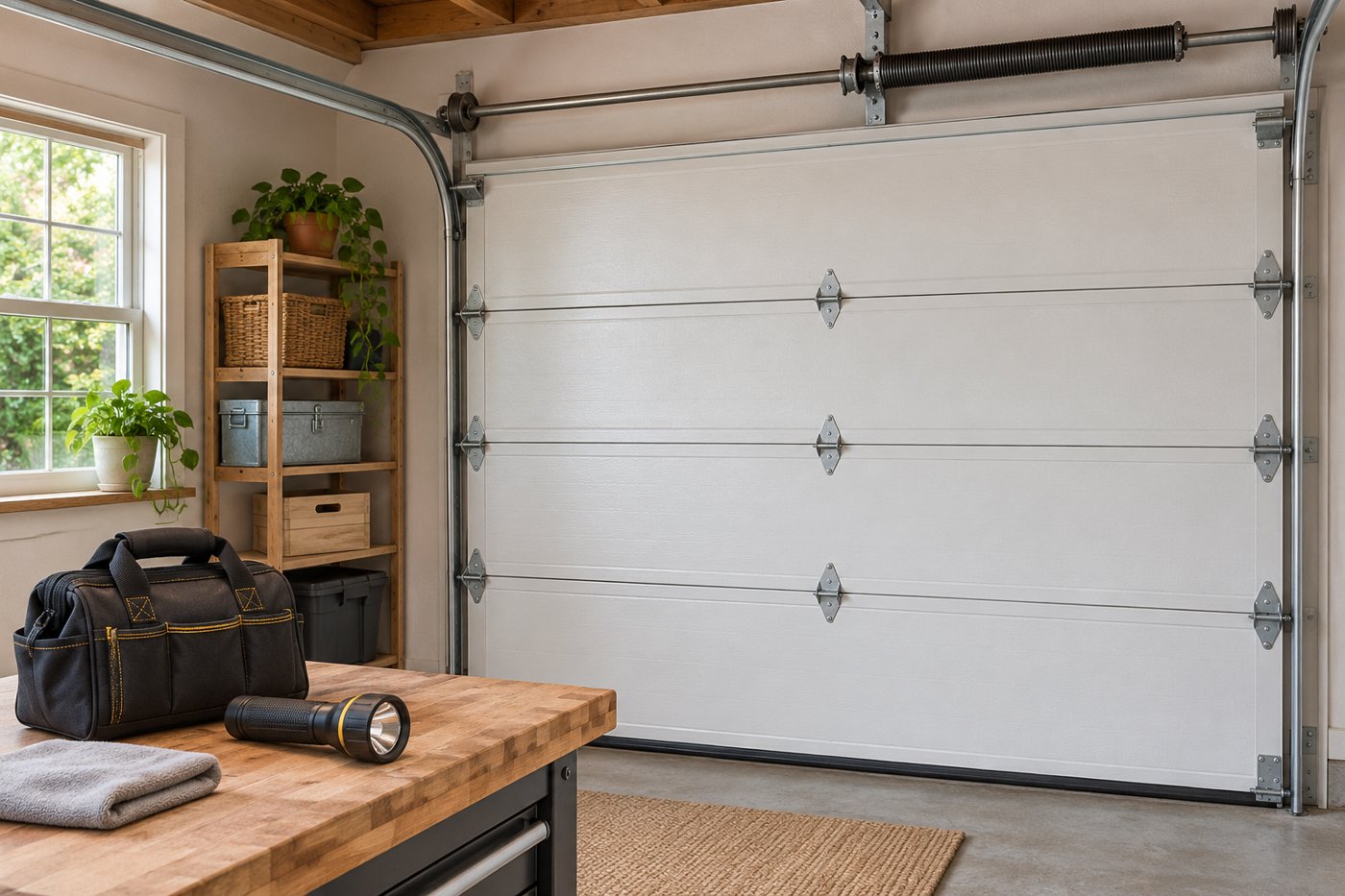
Measure the finished opening rather than an old door panel. A low ceiling, sloped floor or overhead storage can change the track arrangement. The technician needs to assess the framing that will carry the load, not simply find a nearby stud. If electrical work is needed, ask who will provide it and whether a separate trade is required.
What a complete inspection considers
- Opening width and height
- Headroom above the opening
- Side room beside the jambs
- Backroom for tracks and opener
- Framing and ceiling attachment
- Panel material and glazing
A useful repair scope names the affected components, explains what is reusable and describes the checks needed before normal operation resumes. Ask which parts are model-specific and whether an alternative changes the door's function. A photograph can help identify a system, but a remote conversation cannot establish balance, structural attachment or safe travel.
Local conditions in Denver
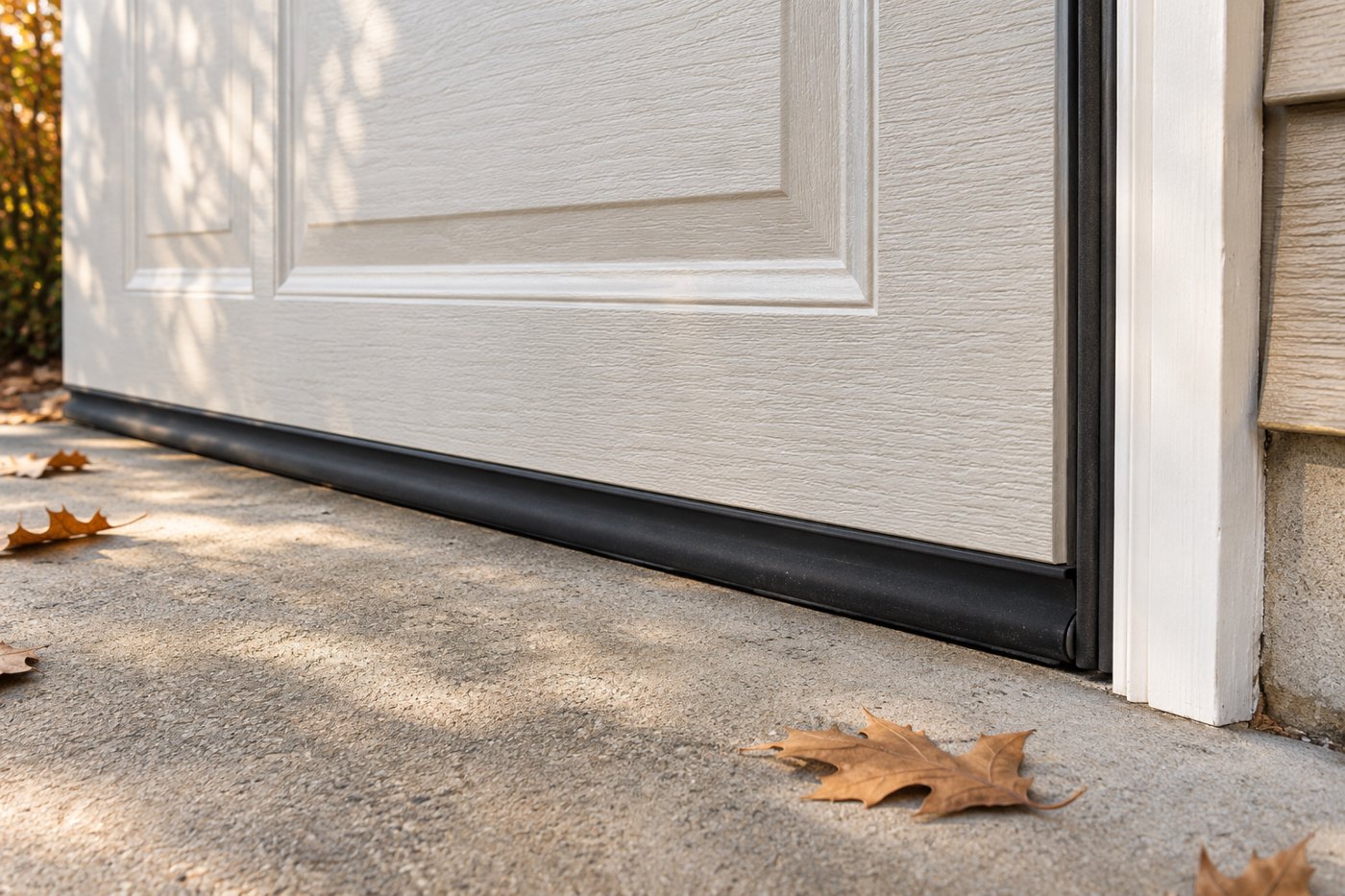
Cold mornings, snow at the threshold and changing sun angles are useful observations, not a diagnosis. Note whether a problem appears only with ice at the bottom seal or continues after the opening is clear. For a site in one of the listed covered ZIPs, give the postal code and access details first. Door type, size and current position help establish the next step. Calls and repair requests are accepted 24/7; the service scope and local scheduling are confirmed by phone.
Work scope and handover
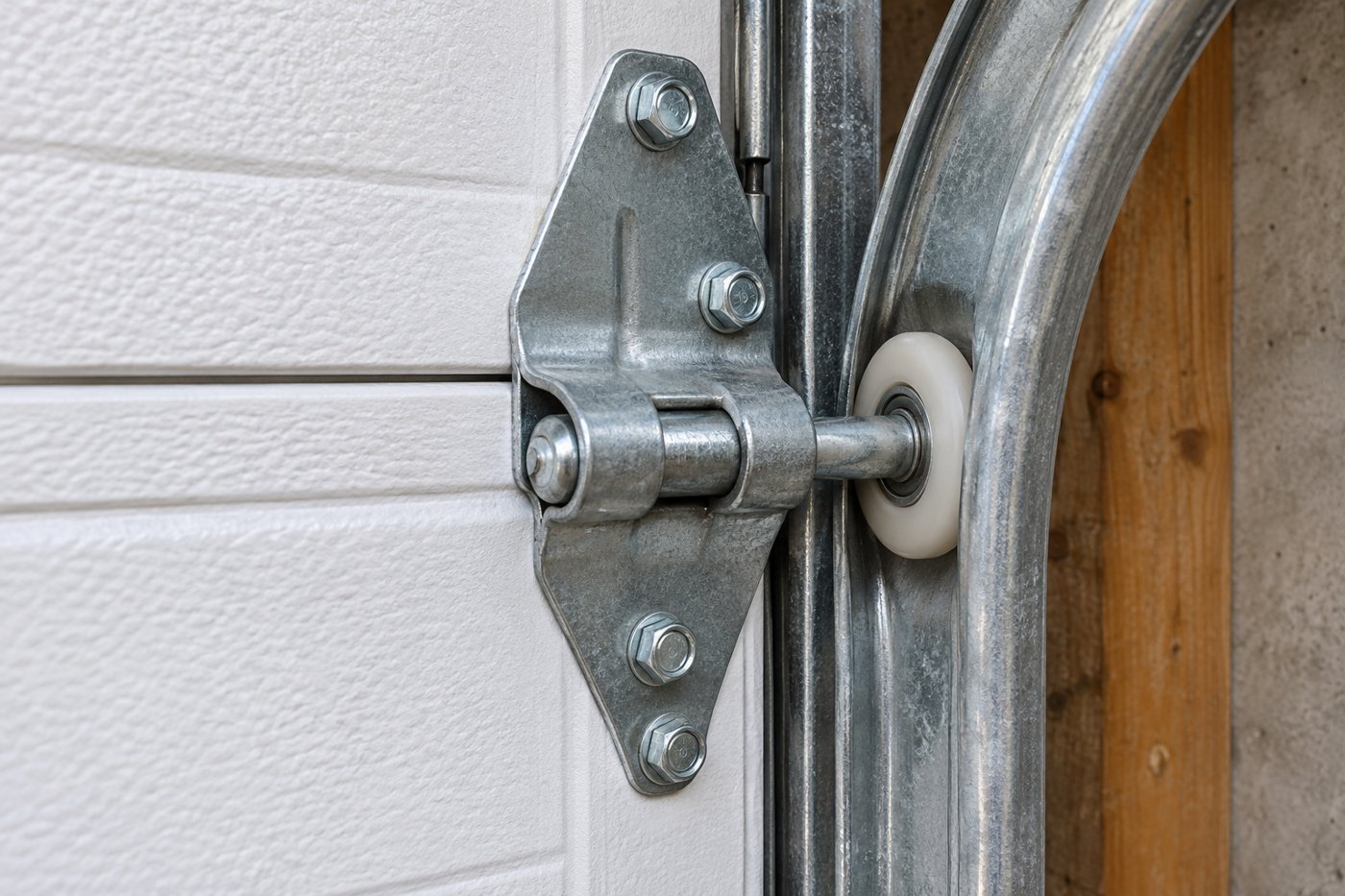
After assembly, a complete handover covers balance, controlled travel, secure fasteners, perimeter fit and the opener safety system when one is installed. Ask for the manufacturer model information and instructions. The first full cycle is not the only check: a door must move consistently through its entire travel without binding or twisting.
Before a visit, clear the approach without walking beneath an unstable door. Keep pets and children away, identify an alternate entrance and leave high-tension components alone. If the door is stuck open, report the position and whether the area can be kept secure. Do not improvise supports or try to lift a damaged door with a vehicle.
Choose the next step for your system
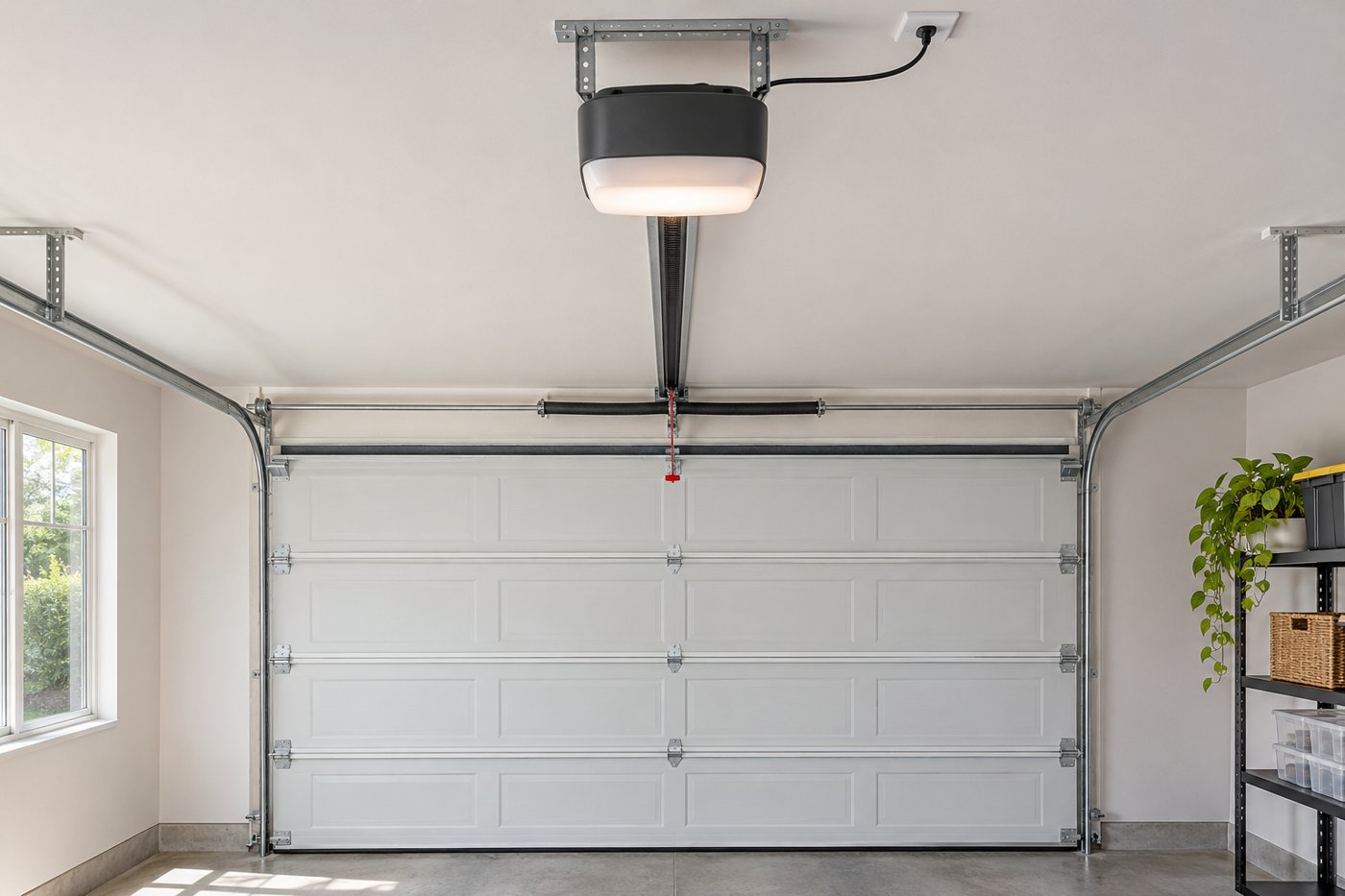
For motor or control symptoms, compare opener diagnosis with new opener planning. When panels or hardware are no longer compatible, read the replacement assessment. Routine checks belong in a maintenance visit, while a heavy or unbalanced door needs spring-system assessment.
See the covered localities and ZIPs before calling. Our repair decision guide explains what information is most useful when describing a fault.